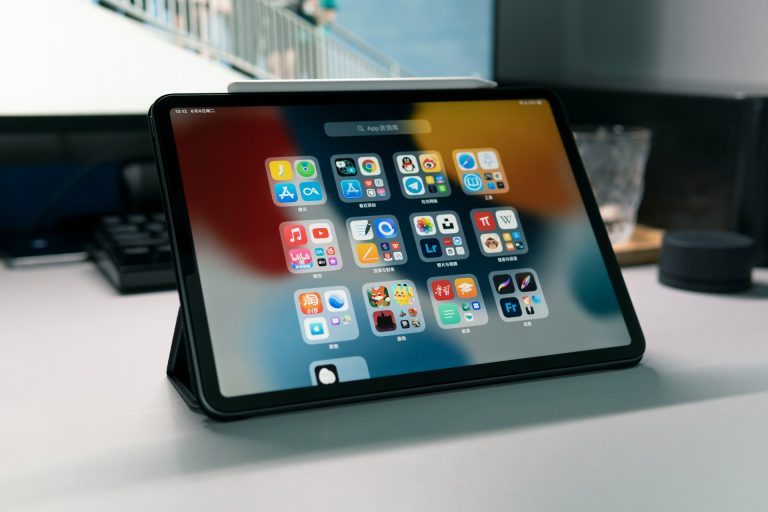
Apple is on the verge of a massive milestone. April 1, 2026, marks exactly half a century since Steve Jobs, Steve Wozniak, and Ron Wayne founded the Apple Computer Company in a Los Altos garage. Today, the company stands as the undisputed titan of consumer electronics, holding the title of the world’s largest smartphone and tablet producer by revenue. To mark the occasion, CEO Tim Cook has already teased official celebrations, though the exact details remain tightly under wraps. Will we see a special hardware release akin to the 20th Anniversary Mac back in 1996? The tech industry is watching closely, and publications like Mac & i are already preparing extensive birthday coverage.
Documenting the Revolution
German broadcasters are getting ahead of the curve to honor the occasion. Starting March 26, the ARD media library will stream a three-part documentary titled “The Apple Story – A Vision Seduces the World.” Produced by Spiegel TV in collaboration with SWR, NDR, and HR, the series will also hit late-night television on Das Erste on March 30.
Rather than a dry corporate history, the documentary promises a deep dive into how a counterculture startup morphed into a global superpower. Viewers can expect a wealth of archival footage tracking radical shifts in our daily lives over the last five decades. The series explores pivotal moments, from Jobs’ concept of a “Bicycle for the Mind” and the legendary 1984 commercial to his temporary exile, stints at NeXT and Pixar, and his spectacular return. While Apple itself isn’t officially participating, the project features heavy hitters from the company’s past, including software pioneer Andy Hertzfeld and early employee Daniel Kottke. Key design figures like Hartmut Esslinger and Erik Spiekermann are also on board to discuss the aesthetic choices that defined a generation. To anchor the history in the present, the filmmakers bring in contemporary voices, including prominent YouTubers, former Pirate Party politician Marina Weisband, and future-trend analysts, all reflecting on how the iPhone fundamentally rewired human interaction.
The Modern Battlefield
That iPhone revolution is still paying dividends today, but Apple certainly isn’t operating in a vacuum. The modern smartphone market is defined by a fierce, ongoing rivalry between Apple and Samsung. In the United States, Apple reigns supreme. Early 2023 data showed Apple commanding a massive 52% of the local smartphone market, leaving Samsung firmly in second place with 27%.
These two juggernauts compete across almost every category of consumer electronics, from laptops to wearables, but their core strategies couldn’t be more different. The divide largely comes down to pricing, design philosophy, and ecosystem functionality, creating two very distinct customer bases. Samsung plays a volume game, flooding the market with multiple device tiers to capture every possible demographic. Apple keeps its walled garden exclusive, relying heavily on a streamlined lineup and fierce brand loyalty.
Flooding the Zone vs. The Premium Floor
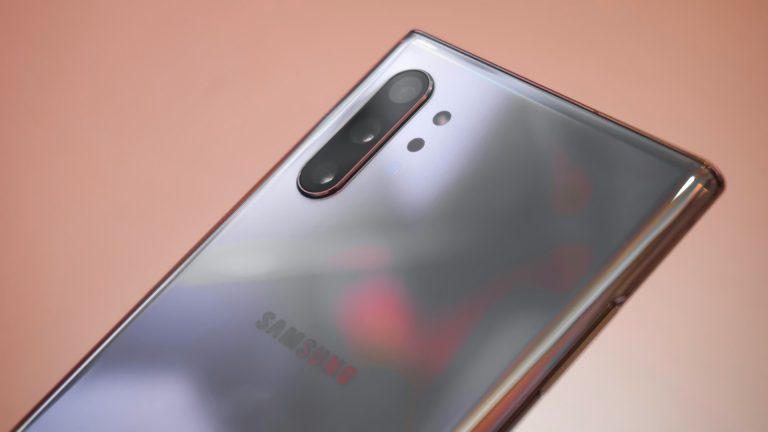
Samsung’s strategy relies on variety. The Galaxy Z series pushes the boundaries with expensive, cutting-edge foldables, while the Galaxy S lineup represents the company’s traditional flagships, packing some of the fastest processors and most advanced cameras available. But Samsung doesn’t ignore the bottom line. The company has built a stellar reputation in the budget sector with its Galaxy A and M series.
Apple, conversely, keeps things notoriously tight. Right now, the iPhone 16 lineup leads the charge. If you want the absolute best tech Apple has to offer, you have to shell out for the 16 Pro or 16 Pro Max. Budget shoppers looking for an iOS device are essentially forced to buy older hardware like the iPhone 15, 14, or 13, or opt for the entry-level iPhone SE, which is slated for a refresh later this year. You simply will not find a brand-new iPhone for under $429. That rigid pricing floor is a fundamental part of Apple’s premium identity.
Winning the Budget Wars
Because Apple refuses to race to the bottom, Samsung dominates the entry-level and mid-range markets. You can grab a capable Samsung device without feeling like you’ve made massive sacrifices in quality. The newest addition to their affordable tier, the Galaxy A16, retails for around $216 but can often be found for $199. Shockingly for that price bracket, Samsung promises six years of software support.
Older models like the Galaxy A15 (hovering around $178) and the Galaxy A14 5G ($199) remain fantastic options for cost-conscious buyers. Both deliver crisp FHD Plus displays, reliable performance, and enough battery life to easily last two days. As a bonus for audiophiles, while the A16 finally ditched the 3.5mm headphone jack, the A15 and A14 are among the last new phones to keep the beloved port alive.
For those on the strictest of budgets, the Galaxy A03s drops the price tag to roughly $125. It’s undeniably basic, but it still delivers a massive battery, a solid fingerprint reader, and a guarantee of two major OS updates alongside four years of security patches. Meanwhile, in markets across India, the UK, and Europe, Samsung pushes the Galaxy M series. Sitting just below the A series in prestige, these phones often swap in MediaTek processors to keep costs down while prioritizing multi-lens cameras and ultra-high-capacity batteries.
Fifty years after its inception, Apple has definitively won the premium culture war, maintaining margins and a cultural cachet that rivals simply cannot replicate. Yet, as Samsung’s sprawling, highly capable lineup proves, the battle for the global mainstream is far from over.